When a Village Buys Its Own Future: A Practical Guide to Community Shares in Wales
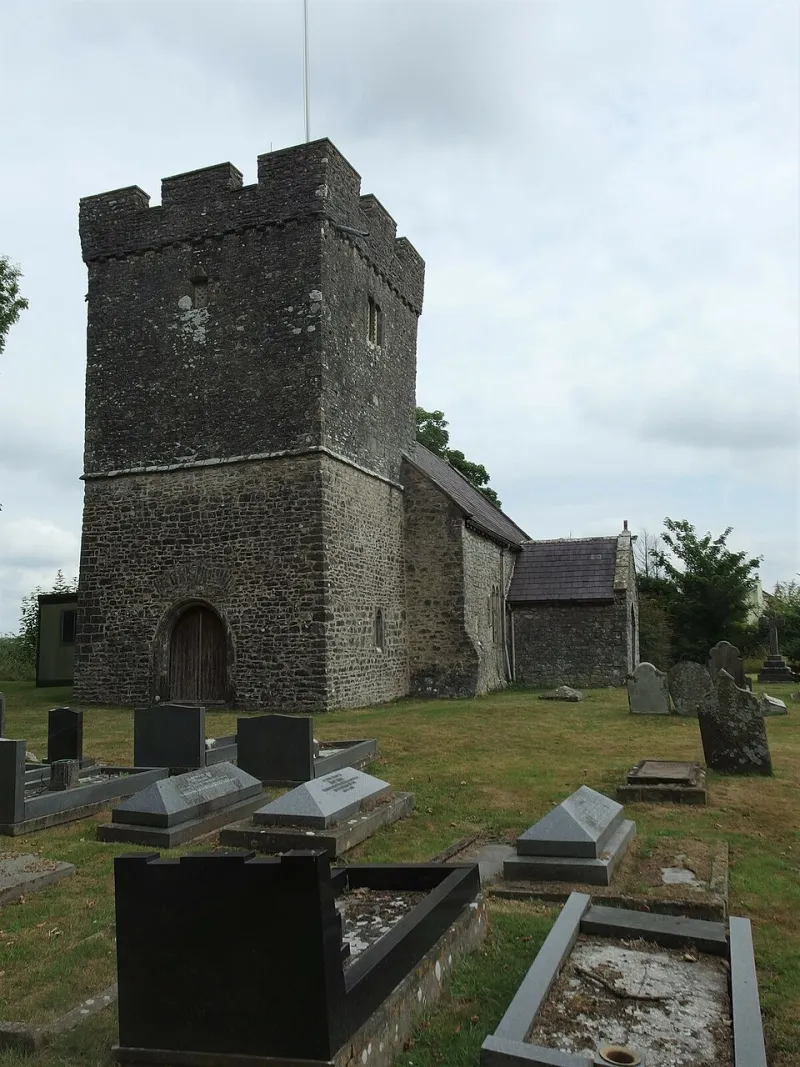
Photo: Colin Cheesman , CC BY-SA 2.0, via Wikimedia Commons
Community shares are not a grant, a donation or a conventional equity investment. They are a way for people who care about a place to put money into a society that owns and runs an asset for community benefit. In Wales, where the loss of a village shop, pub or hall can feel like the loss of a meeting point, the model has moved from novelty to practical tool. The appeal is obvious: money is raised locally, decisions stay local, and the asset is locked for community use. The work, however, is substantial. A share offer is a financial promotion, a governance exercise and a community organising campaign at the same time.
Why the model suits Welsh communities
Wales has a long tradition of mutual and co-operative activity. Community shares build on that tradition without pretending that every community has the same capacity. They can be used to buy a pub, secure a shop, renovate a hall, fund a renewable energy scheme or support a community transport enterprise. The common thread is community benefit rather than private profit.
The model is particularly useful where grant funding is limited, slow or unsuitable. A community share offer can demonstrate local commitment to funders and lenders. It can also give residents a formal stake in the asset. That stake is not about financial return in the usual sense. It is about stewardship, accountability and the practical business of keeping a service open.
What community shares actually are
Most community share offers in Wales are issued by a community benefit society registered with the Financial Conduct Authority under the Co-operative and Community Benefit Societies Act 2014. Some groups use a co-operative society. A company limited by guarantee cannot issue shares in the same way, so the legal form matters from the outset.
Community shares normally have three features. They are withdrawable rather than transferable, so an investor cannot sell them to a third party. They usually carry one member one vote, regardless of the amount invested. And any interest paid is capped, with the society's rules setting out the terms. This is risk capital, not a savings product. Investors can lose money, and the offer document must say so clearly.
The legal and financial checks
A community share offer is a regulated activity in many circumstances. Small community offers can sometimes benefit from exemptions, but the rules are fact-specific and should not be assumed. Groups should take advice from a solicitor or adviser with community shares experience before publishing an offer. The offer document must be accurate, balanced and written in plain language. It should explain the business plan, the risks, the withdrawal arrangements and what happens if the offer is undersubscribed.
The society also needs proper governance. That means model rules, a board with the right mix of skills, a clear conflict of interest policy and a realistic business plan. Financial projections should be tested against pessimistic as well as optimistic assumptions. A share offer is not a substitute for a viable enterprise. It is a way of financing one.
A step-by-step route
-
Define the asset and the community. Be precise about what will be owned, who will benefit and how the community has been involved in shaping the proposal.
-
Test support before spending money. Public meetings, surveys and early pledges can show whether the appetite exists. They can also reveal concerns that need answering.
-
Choose the legal form. Take advice on whether a community benefit society, co-operative society or another structure is appropriate. Register the society and adopt rules that fit the offer.
-
Build the business plan. Include capital costs, working capital, contingency, income projections and a clear plan for maintenance and replacement.
-
Prepare the offer document. Explain the purpose, the terms of the shares, the risks, the withdrawal policy and the timetable. Have it reviewed by a suitably qualified adviser.
-
Check financial promotion rules. Confirm what exemptions, if any, apply and how the offer will be marketed lawfully.
-
Run the campaign. Use local media, community networks, events and plain-language materials. Avoid hype and be honest about risk.
-
Allot shares and draw down funds. Keep proper records and communicate promptly with investors.
-
Strengthen governance. Recruit directors or committee members with finance, property, legal and marketing skills. Put reporting and risk management in place.
-
Plan for aftercare. Community shareholders need updates, annual reports and a clear route for questions. Withdrawals need to be managed in line with the rules.
Where to find support in Wales
Cwmpas provides advice and support on community shares and social enterprise development in Wales. Co-operatives UK's Community Shares Unit offers guidance, standards and resources for community share offers across the UK. The Plunkett Foundation supports community-owned pubs and shops, including groups in rural Wales. WCVA and local county voluntary councils can help with governance and funding questions. Business Wales can signpost social enterprise support. Local authorities and community councils may also be able to help with premises, planning and early-stage advice.
What Welsh examples show
Cwmni Cletwr in Tre'r Ddôl, Ceredigion, is a well-known community-owned shop and café that used community shares as part of its funding mix. The Raven Inn in Llanarmon-yn-Iâl, Denbighshire, is another example of a community effort to secure a valued local pub. These projects are not identical, and neither should be treated as a template. Their value lies in what they demonstrate: that local people will invest in an asset they use and value, provided the case is credible and the governance is sound.
The honest limitations
Community shares are not quick money. They require a serious campaign, a compliant offer and a business that can survive beyond the initial purchase. They can also create expectations. Shareholders may have questions about withdrawals, interest or management decisions. The society must be ready to answer them.
For groups with a viable plan and a genuine community base, however, community shares can be a powerful part of the funding mix. They do not replace grants, loans or professional advice. They add a source of local capital and a structure for local accountability. In a country where distance and demography can make services fragile, that combination is worth serious consideration.