Puddles, Heat and Hard Evidence: A Climate Adaptation Plan Welsh Community Groups Can Actually Fund
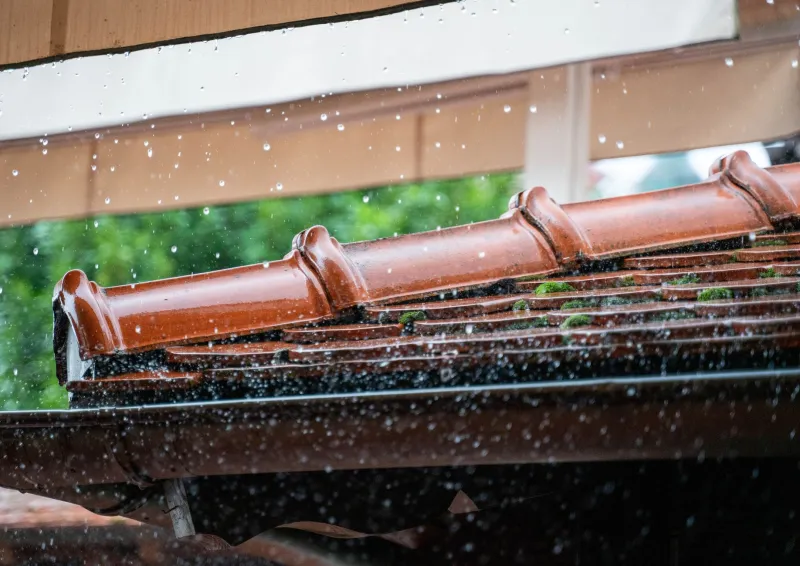
Community buildings across Wales are already absorbing the effects of a changing climate: water pooling at a hall entrance after heavy rain, south-facing rooms overheating in summer, gutters overflowing onto paths used by older residents, and grounds that become inaccessible in wet weather. Yet when groups approach funders, these tangible problems often dissolve into abstract wording about 'building resilience' or 'future-proofing the community'. The result is a bid that sounds worthy but gives a grant assessor little to price, compare or monitor.
A climate adaptation audit changes that. It is not a technical survey requiring specialist consultancy, although some findings may later need one. It is a structured walk around the property and grounds, carried out with a notebook, a camera and the people who know the building best. Its purpose is to produce evidence: what happens, where, how often and at what cost. That evidence can then be turned into fundable line items rather than adjectives.
Start with a walk, not a wish list
Choose a wet day if possible, or walk the site shortly after rain. Repeat in warm weather if the building has glazing or roof spaces that heat up. Walk the perimeter, the entrances, the main hall, storerooms, kitchen, toilets and any outside areas. Ask the cleaner, caretaker, booking secretary and a regular user group to come along. They will notice things a trustee visiting once a month will miss.
Record four things for each issue: a photograph, a date, a short description and an estimate of frequency. 'Water enters beneath the fire door during heavy rain, roughly four times a year, and the mat becomes a slip hazard' is evidence. 'The hall suffers from flooding' is not. Keep the log in a simple spreadsheet or a printed sheet. This becomes an appendix to a funding application and a baseline for later monitoring.
Four questions that turn observation into evidence
First, where does water go? Look at gutters, downpipes, drains, gullies, thresholds and ground levels. Note staining, moss, cracked paving and erosion. Second, who is exposed to heat or cold? Identify rooms that become uncomfortable, windows without shading, and areas where vulnerable users gather. Third, what fails during extreme weather? Consider power outages, blocked access, spoiled stored goods, cancelled bookings and emergency lighting. Fourth, what happens to people? A flooded entrance is not only a building defect; it may stop a lunch club, a parent-and-toddler group or a health appointment from taking place.
A simple risk-prioritisation matrix
Once the walk-around is complete, score each finding from one to three for likelihood and impact. Multiply the scores to produce a priority ranking. The matrix is deliberately simple so that a committee can use it without specialist training.
| Finding | Likelihood (1-3) | Impact (1-3) | Priority | First action |
|---|---|---|---|---|
| Rear gutter overflows onto accessible path | 3 | 2 | 6 | Clear and repair; add leaf guard |
| South-facing windows overheat main hall | 3 | 2 | 6 | External blind or solar control film |
| Shallow threshold lets water into foyer | 2 | 3 | 6 | Threshold survey; temporary barrier |
| No flood response plan for ground floor | 2 | 3 | 6 | Write plan; train volunteers |
| Tree shade inadequate over seating area | 2 | 1 | 2 | Plant native trees with guards |
Use the matrix to separate quick wins from larger works. A blocked gully may cost little to fix but prevent recurring disruption. A drainage survey may be the necessary first step before a capital bid. The matrix also shows funders that the group has thought about risk, not simply compiled a shopping list.
From finding to line item: what funders will recognise
Funders can price a gutter. They cannot price 'resilience'. Convert each priority into a specific cost line, separating works from ongoing care. Examples include: supply and install two water butts connected to downpipes, including stands and diversions; replace eighteen metres of damaged guttering and two downpipes; install an external blind to the south elevation; commission a drainage survey of the rear yard; plant three native trees with guards, stakes and a two-year watering contract; produce a flood response plan and train six volunteers; purchase a temporary flood barrier for the main entrance.
Include maintenance from the outset. A capital grant may pay for the blind, but someone must clean it and repair the mechanism. A drainage improvement may need annual clearance. Tree planting needs watering in dry spells, especially in the first two years. Present these as revenue costs with a named responsible person and a realistic annual figure. A maintenance plan is not a sign of weakness; it is evidence that the investment will last.
Pairing small capital and revenue grants in 2026
In 2026, Welsh community groups are unlikely to find one funder for every adaptation measure. A more realistic approach is to combine sources. A community or town council may offer a small capital grant for practical works. A local authority discretionary fund may support accessibility or drainage improvements. National Lottery Community Fund Wales and Welsh Government community facility programmes may suit larger works, while charitable trusts and corporate giving can cover smaller items or match funding. Revenue grants can support planning, training and maintenance.
A worked example might combine a £2,500 microgrant for water butts, guards and a temporary barrier; a £7,500 capital grant for guttering and a drainage survey; and a £750 revenue grant for a flood response plan and volunteer training. The total is modest, but the outcome is a coherent adaptation package rather than a series of disconnected purchases. Funders respond well to a clear sequence: survey, works, care.
The maintenance paragraph funders rarely see
Most applications describe what will be installed. Fewer explain who will look after it. Add a short maintenance schedule: who checks gutters before winter, who waters new trees, who tests the flood barrier, who reviews the plan and when. Give the annual cost as a percentage of the capital works, even if it is approximate. This paragraph reassures assessors that the project will not become a liability and helps the committee budget honestly.
Working with neighbours and avoiding duplication
Share the audit with neighbouring halls, churches, sports clubs and the community council. A joint approach to drainage or shade can reduce costs and strengthen a bid. Local resilience forums and county voluntary councils may already hold useful information about flood risk or emergency planning. Duplication is common in small communities; a shared evidence base is a practical antidote.
Evidence beats adjectives
Climate adaptation in Welsh community spaces is not only an environmental question. It is about keeping buildings open, services running and volunteers safe. A walk-around, a photograph log, a scored matrix and a costed maintenance plan will not make the weather less extreme, but they will make a funding application more credible. Groups preparing bids for 2026 should schedule the audit before the next deadline, invite the people who use the building and write down what the rain and heat are already doing. That is the evidence a funder can act on.